Getting a California ID Card Without a Driver’s License
You may need official identification but have no plans to drive—or may not be eligible to drive right now. California offers an ID card separate from a driver’s license, but the application details and card options can raise questions. Here’s how to think through the choice, prepare to apply, and verify the requirements with the California Department of Motor Vehicles before you make a trip.
What a California ID card does and does not do
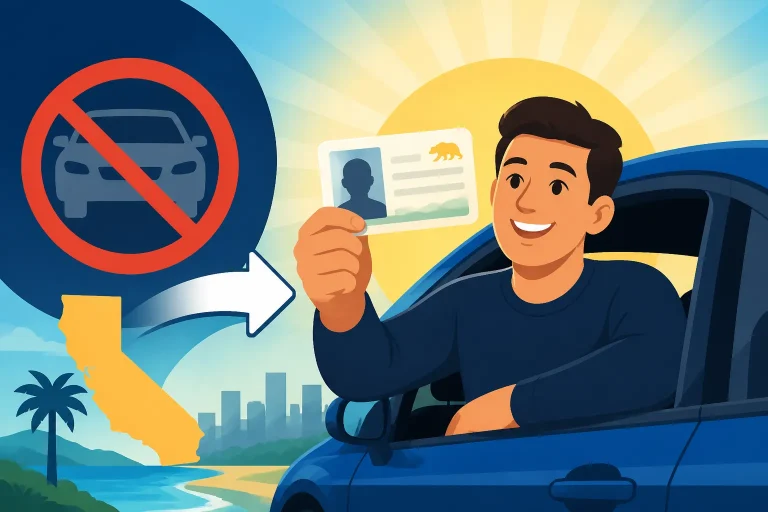
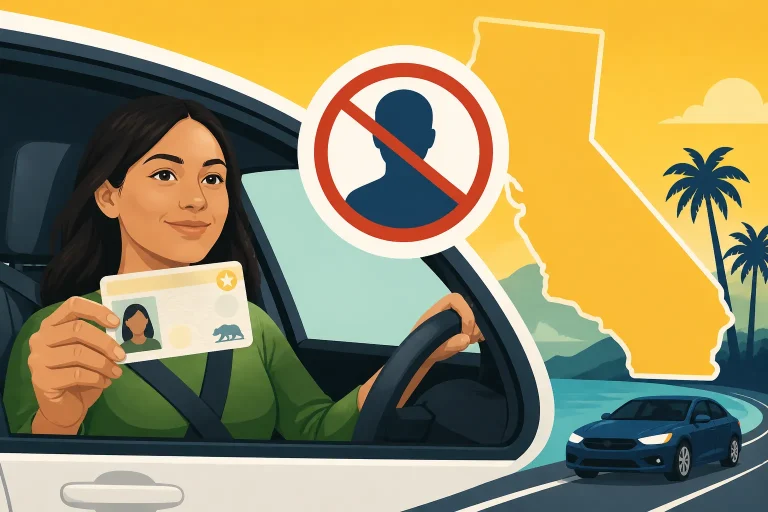
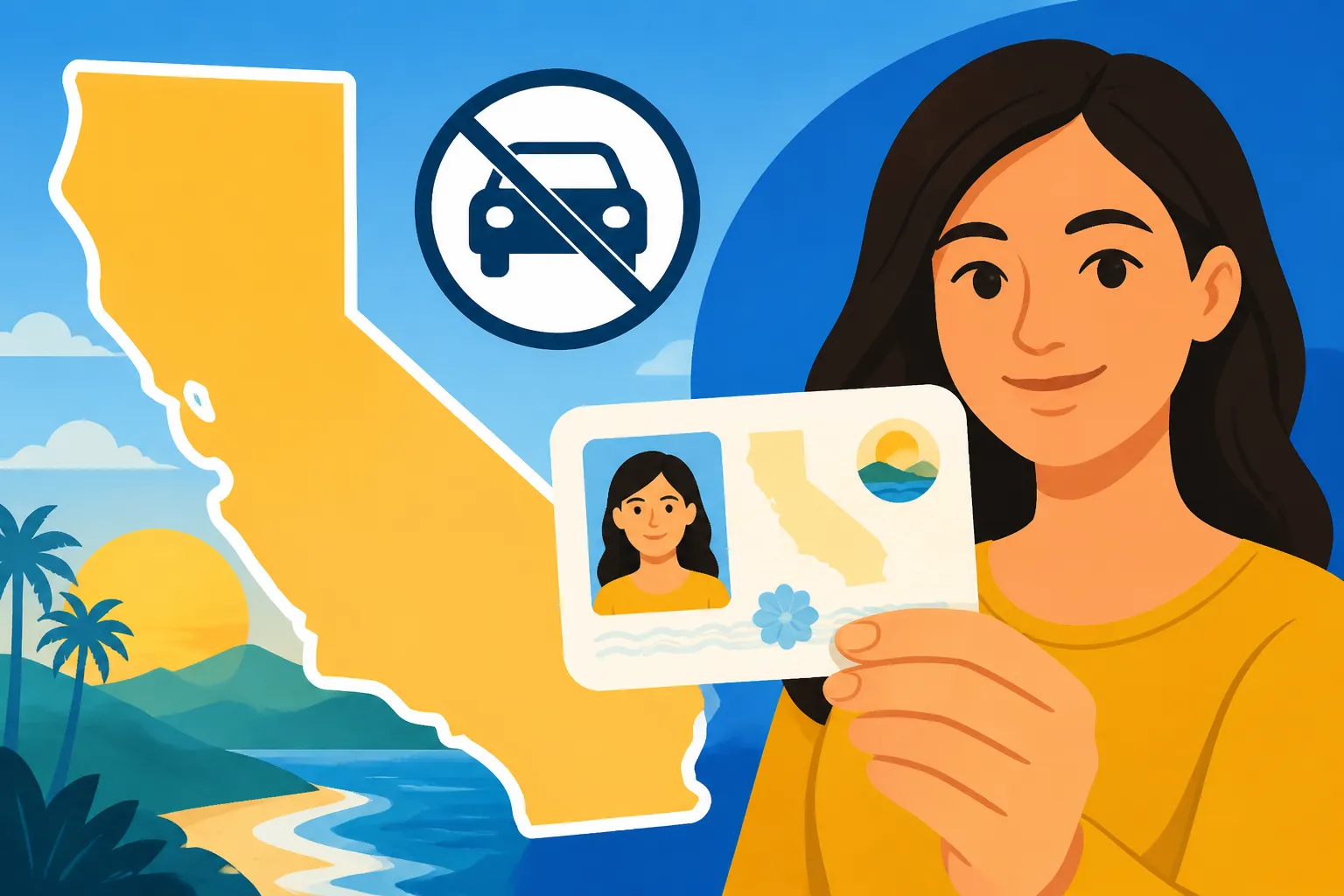
A California ID card can serve as identification, but it is not a substitute for driving authority. According to the California Department of Motor Vehicles, it issues identification cards separately from the authority to drive, and an ID card does not allow you to operate a motor vehicle.
That distinction is the key to choosing the right card. If your goal is to identify yourself without driving, an ID card may fit. If you need authorization to drive, you need to look into a driver’s license instead. An ID card does not become a license just because it has your photo or other identifying details.
| Your need | Card to investigate | Important distinction |
|---|---|---|
| Identification without permission to drive | California ID card | The California Department of Motor Vehicles says an ID card does not authorize you to operate a motor vehicle. |
| Permission to drive | Driver’s license | Check the licensing process and eligibility requirements separately. |
| Unsure which card fits | Compare the available options | Consider whether driving authority is part of your goal before starting an application. |
An ID card may be worth considering if you do not drive, have stopped driving, are not seeking a license, or need a separate identification document. The right choice depends on what you need the card to do. Think about the places and situations where you expect to present it, then check whether the specific card option you are considering meets those needs.
A driver’s license and an ID card are not interchangeable. A license application can involve driving-related steps that do not match an identification-only goal. Likewise, an ID application is not a shortcut to driving privileges. For a closer comparison of the two documents, see California ID Card vs Driver’s License: What Each Lets You Do. If you are weighing a standard card against a REAL ID card, REAL ID or Standard Card: Which Should You Pick in California? can help you frame the decision.
Before applying, be clear about whether you want identification only or may also want to pursue a license. That can prevent you from preparing for the wrong process or assuming that an ID card gives you permission to drive. If you might want a license later, you can review the separate steps in California Driver’s License Basics: Apply, Renew, Replace.
Choose the card option that matches your needs
Choosing an ID card is not only a question of whether you drive. You may also need to decide which type of card to request and what you need it to do. The California Department of Motor Vehicles’ current information is the place to confirm available options and what each one is intended for. Do not assume that every ID card has the same features or will satisfy every organization’s requirements.
Start with the purpose. Are you looking for identification to keep in your wallet, to present when handling routine transactions, or to use in situations where a particular form of identification is requested? Write down the uses that matter most to you. Then compare those uses with the current descriptions of California’s ID card options.
A standard ID card and a REAL ID card may not suit the same plans. The difference that matters to you depends on how you intend to use the card and what the organization asking for it accepts. If you are unsure, check the requirements of that organization and compare them with the California Department of Motor Vehicles’ card information before selecting an option. The REAL ID overview in REAL ID or Standard Card: Which Should You Pick in California? can help you organize that comparison.
You may also want to consider whether anything about your situation could affect the application. For instance, a recent name change or a mismatch between the name you use and your supporting records can make document preparation more involved. The right response is not to guess which version of your name the application will accept. Check the DMV’s current instructions for name evidence and how records should match. If you already hold a California document and need to update a name, Changing Your Name on a California License or ID Card covers that separate issue.
Think about practical needs too. If you expect to use the card as your main identification document, make sure the card option you choose is suitable for the situations you care about. If you are not sure, ask the organization that will receive the ID what it accepts. The DMV can explain its card options, but a school, financial institution, employer, or other organization may set its own identification requirements.
Your circumstances may also affect which information you need to review. For example, if you are experiencing homelessness, do not assume that the ordinary document checklist will answer every question about your situation. Check the DMV’s current information and look at California ID Card Help for People Experiencing Homelessness for a focused discussion. If cost is a concern, check the current DMV information rather than relying on old figures or assumptions; Reduced-Fee California ID Cards: Which Situations Apply discusses whether a reduced-fee option might be relevant.
Prepare before you start the application
The most useful preparation is to confirm the current rules before gathering paperwork or planning an office visit. Application instructions, document requirements, ways to apply, and costs are details that can change. The California Department of Motor Vehicles is the official source for the current process. Treat older checklists, advice from someone with a different situation, and general online summaries as prompts for questions—not as confirmation that your own application is ready.
Use the DMV’s current ID card instructions to answer these questions:
- Which ID card option fits your intended use?
- What information must you provide?
- Which identity documents does the DMV accept for your circumstances?
- Does the application require proof of California residency, and what evidence is acceptable?
- Does your situation require any additional documents or explanation?
- Can you complete any part of the process online, or must you go to an office?
- Does the DMV require you to bring original documents, copies, or another format?
- What current fee applies, if any, and are there circumstances that change it?
- Does the DMV recommend making an appointment for the service you need?
Do not treat that list as a statement that every applicant needs the same documents. It is a set of points to verify against the current DMV instructions. The documents that work for one person may not work for another, and a document can be unsuitable if its details do not match the application.
To plan your paperwork, write down the name you intend to use on the application and compare it with the name shown on the records you expect to bring. Check other details that may need to match, such as your date of birth or address, if the DMV’s instructions call for them. If you find a discrepancy, pause and check how the DMV wants it handled rather than hoping it will be resolved at the counter.
For a broader discussion of identity and residency evidence used in California applications, see Which Identity and Residency Papers California Accepts for a License. Although that article concerns licenses, its document-planning questions may help you identify what to verify. Do not assume that a rule or document accepted for a license automatically applies to an ID card; confirm the ID card instructions directly.
A useful preparation method is to make a small personal checklist:
- Card type you plan to request.
- Current DMV document requirements for your circumstances.
- Any mismatch in names, addresses, or other details that needs clarification.
- Application steps that must be completed before an office visit.
- Whether the DMV expects an appointment or accepts the service another way.
- Current fee information from the DMV.
- How you will check the application or card status afterward, if needed.
Keep the checklist focused on your own situation. If a requirement is unclear, note the exact question and seek clarification from the DMV before you travel. That is more reliable than bringing a large stack of unrelated papers and hoping one will count.
If you are deciding between an ID card and a license because you may drive later, separate the decisions. First determine whether you need identification now. Then review the driver’s license requirements independently. Information about license eligibility is available in California Driver’s License Eligibility: Who Can Apply. A decision to apply for an ID card does not settle whether you qualify for a license, and an ID card does not provide permission to drive.
Apply using the current California DMV process
Once you know which card you want, follow the California Department of Motor Vehicles’ current instructions for an ID card. Avoid assuming that an online application, office visit, appointment, or particular document submission method is available for your situation. Check the official ID card page first, because the DMV determines which options apply.
A practical sequence looks like this:
- Confirm that an ID card is the right document. The California Department of Motor Vehicles says an ID card is separate from driving authority and does not permit you to operate a motor vehicle.
- Select the card option that fits your needs. Compare the DMV’s current descriptions and check any requirements set by organizations where you expect to use the card.
- Review the application instructions. Use the DMV’s current guidance for the ID card, not a checklist intended for a different service.
- Check the document requirements for your situation. Confirm what the DMV accepts and whether you need to resolve a mismatch before applying.
- Find out how the application must be completed. Verify whether you can complete steps online, need an office visit, or must follow another process.
- Confirm current costs and appointment details. Check these directly with the DMV before setting out.
- Keep any confirmation or receipt. If the process provides a confirmation or a way to check progress, retain the information and follow the DMV’s directions.
This sequence is a planning framework, not a promise that every step can be completed in the same way for every applicant. The DMV’s instructions control. For a broader overview of eligibility, fees, and application considerations, see California ID Cards: Eligibility, Fees and How to Apply.
If an office visit is required, use the official DMV office locator to find a nearby office and check its current hours. Do not rely on an old address or a remembered schedule. Before leaving, review what the DMV says to bring and whether the service calls for an appointment. A visit can be less stressful when you have confirmed the right location, the service offered there, and the document format the DMV expects.
If you are unsure which counter or service to use, check the DMV’s own service information before traveling. A general office visit is not necessarily the right way to handle every part of an application. The DMV’s instructions can help you distinguish between steps that can be completed remotely and those that require an in-person visit.
At the application stage, be consistent and answer questions accurately. If the form asks for information you do not understand, do not invent an answer or rely on a guess. Review the instructions or ask the DMV how to proceed. If a document is missing or the details do not line up, ask what alternatives or next steps apply to your circumstances.
Keep expectations realistic about processing. Do not rely on a delivery estimate or a particular timeline unless the DMV provides it for your application. If you need the card by a certain date, check the DMV’s current information before applying and consider whether you have enough time. After applying, follow the status-check or follow-up directions the DMV provides.
Handle document issues and follow up carefully
A document problem does not always mean you cannot apply, but it does mean you should clarify the situation before assuming what will work. Common planning concerns include a name that differs across records, an address that has changed, uncertainty about which documents the DMV accepts, or difficulty obtaining a particular record. The right next step depends on the current DMV requirements and the details of your case.
If your name differs across documents, make a list of the versions shown and identify which record explains the difference. Then check the DMV’s instructions for the evidence it accepts. Do not assume that a supporting document will automatically correct the discrepancy, or that the DMV can ignore it. If the issue relates to a name change on an existing California card, Changing Your Name on a California License or ID Card may help you identify the separate update process to review.
If your address has changed, check whether the ID card application asks for current address information and what residency evidence applies. Do not rely on a document checklist for a different service without confirming that the DMV accepts the same evidence for an ID card. For residency questions, Does Your Utility Bill Count? California Residency Proof Questions may help you frame what to ask, while the DMV’s current ID card requirements should guide your application.
If you are missing a document, ask the DMV what alternatives it accepts before applying. Avoid sending original records or handing over paperwork in a format the DMV has not requested. Keep your own records of what you submit and any confirmation you receive, especially if the application involves more than one step.
If an application is delayed or you are unsure whether it went through, use the status or contact instructions provided by the DMV. Do not submit a duplicate application simply because you have not received an update; first confirm whether the original is pending and whether the DMV expects any action from you. If the DMV asks for additional information, follow the stated instructions and keep a record of the response.
Once you receive the card, review the printed information. If you notice an error, check the DMV’s current instructions for correcting it. Do not assume a correction can be made through the same route used for the original application. If the card is lost or damaged later, look up the current replacement process rather than starting a new application automatically.
Above all, keep the card’s purpose clear. According to the California Department of Motor Vehicles, an ID card does not allow you to operate a motor vehicle. If your plans change and you want to drive, review the separate license process and its requirements. Do not rely on an ID card as permission to drive while a license application is pending or before you have driving authority.
Frequently Asked Questions
Can I get a California ID card if I do not have a driver’s license?
Yes. According to the California Department of Motor Vehicles, it issues ID cards separately from driving authority. Check the DMV’s current eligibility and application instructions for your situation.
Does a California ID card let me drive?
No. According to the California Department of Motor Vehicles, an ID card does not allow you to operate a motor vehicle. A driver’s license is a separate matter.
Do I need the same documents for an ID card as for a license?
Do not assume the document requirements are identical. Review the DMV’s current ID card instructions and confirm which documents it accepts for your circumstances.
How much does a California ID card cost?
Check the California Department of Motor Vehicles for current cost information and any applicable reduced-fee options. Do not rely on an old fee figure.
Can I complete the application online?
The available application methods may depend on the current DMV process and your circumstances. Check the California Department of Motor Vehicles’ ID card instructions before choosing how to apply.
Sources
- Department of Motor Vehicles — ID Cards (checked November 11, 2026)
Disclaimer
This article is for general informational purposes only and does not constitute professional advice. Laws, prices and regulations vary by location and change over time. Consult a qualified professional for guidance on your specific situation. California Driver Guide is not a government agency and is not affiliated with any state motor vehicle department.